It’s been an year in which I a sense of resigned acceptance, when it comes to my writing frequency with Elementum Money. A year where I start out with a resolve to post more, and look back at the end at the abysmal failure of that intent. But, in this case, the end has proved to be even busier than I could foresee or anticipate.
Yet, it is what it is and my guess is life is about making peace with the seasons you see. It is a time when my writing is a bit of a victim to the other wonderful parts consuming my time. So, be it.
Getting back to the subject at hand, books. I think 43 is still a decent number considering the year I have just described. Some were as usual read for book clubs while some from the usual year-end lists. As I listed the books I realised yet again, that very few really stood out. But, as an aspiring writer, it helps to read all kinds and all types of quality of books for my brain to continually analyse what to register and what to discard.
Well, enough of my free flowing writing which seems to really be reveling in getting this free rein over a piece of blank Word document. Might as well rein it in and start with talking about the books I read last year.
Like always, all book titles are linked to their Goodreads pages. The titles followed by (F) are Fiction whereas the ones tagged with (NF) are Non-Fiction. With some of the books, I have included an excerpt that stood out for me.
This came as a highly recommended book by a few friends. Plus, my answer is rarely no to Fredrick Backman. But, yes there is a but. I found the book just about okay. It was short, yes. Maybe not for me. Possibly I don’t relate to the characters and their way of thinking. Considering the length, still worth a shot for just about anyone as opinions on this one are bound to be mixed.
If you want to see normal people turn into power-hungry dictators in five minutes, all you have to do is say the magic words: “We’d love to hear your suggestions!”
Gifted by a dear friend, this Booker-winner was a masterclass in the art of visual writing. Harvey’s descriptions of the Earth and the beauty seen from space are magnificent. The only shortcoming? The second half feels fairly repetitive and you start thinking that maybe this could have worked better as a longish short story.
Sometimes they wish for a cold stiff wind, blustery rain, autumn leaves, reddened fingers, muddy legs, a curious dog, a startled rabbit, a leaping sudden deer, a puddle in a pothole, soaked feet, a slight hill, a fellow runner, a shaft of sun. Sometimes they just succumb to the uneventful windless humming of their sealed spacecraft. While they run, while they cycle, while they push and press, the continents and oceans fall away beneath – the lavendar Arctic, the eastern tip of Russia vanishing behind, storms strengthening over the Pacific, the desert-and-mountain creased morning deserts of Chad, southern Russia and Mongolia and the Pacific once more.
Another gift from a good friend, I was surprised at how much I enjoyed this book. The way the author captures the conflicted feelings of NRIs on a morally sensitive issue was very interesting. One of the better books I read in the year.
Well, the book started out decently with the way the characters were structured and the build up to it. But, some way in, it just keeps going into one terrible loop of the girl refusing to believe it can be that good and the guy getting frustrated about it. Beyond a point, I was pretty much burning with envy when I got to know that the book sold 100,000 copies quite quickly. Why? Two words. Second Serve.
Bad quality of writing with no storytelling whatsoever. Lots of name dropping. And yet, it’s a fun easy breezy book to see this guy’s path and his attempt to make himself sound less obnoxious than what he really comes across as.
One of the really nice books which has been a memorable one that we read together at a book club. The fact that it was about food, of course appealed to me. But, there are many ways you can go wrong with a full-fledged book about food and very few to go right with. Tucci manages to make it right with the writing and the way it flows. He also gets it right with the mix of emotive and technical aspects of food. If you like food, this one is a must read.
Take a lot of the tomatoes, shove them into the pillowcase, and squeeze the s#*! out of them over the other tub so that the juice of the tomatoes oozes through the weave of the pillowcase, making it look like a relic of the Saint Valentine’s Day Massacre. Continue until all the tomatoes are gone or until you feel like Macbeth at the end of his play.
I picked up this book as it was a rage plus one of my book clubs decided to read it. I was a little wary seeing a Goodreads rating of 3.6, and yet it proved to me that I should stop treating those ratings as gospel truth. In this wonderful work of fiction, Yuzuki elevates butter to a protagonist in it’s own right. The way Manako Kajii gets Rika Machida to appreciate food and the simplicity of cooking it with lots and lots of butter is the true win in this book. The downside is that you may well become oblivious to the actual plot and the main mystery that the story revolves around.
In the same way that real men understand the beauty of a full-bodied woman, real French cuisine uses oodles of butter. Present-day Japan, enamoured by phrases like “low on sweetness”, “low in calories”, “light”, and “simple-tasting” wouldn’t know the real thing if it hit them in the face. ”
I was just not the right target audience for this. I saw this name on almost all end-of-the-year list and thought I must give it a go. Call me prudish but I mostly kept rolling my eyes through the sexual awakening of the protagonist.
I hadn’t planned on becoming this rarefied; I had just spent every waking moment trying to get across what life seemed like to me, only allowing undeniable things—the child, a bad case of the flu, hunger and thirst—to take me away from this trying. And apparently time had, meanwhile, been passing—great swaths of it, whole decades.
One of authors who had been on my list for a long time. I was probably expecting a more healthy dose of the British humour in the writing. But, the story itself was pretty much served as is expecting you to put in whatever flavouring you wished. Or maybe I have never been at close quarters with a man as clueless as Andy Dawson and am unable to appreciate his evolution. If you like more matter-of-fact novels with a less dramatic character arc, this could well appeal to you.
Every good night out hinges on discontent. This is the theory I’ve come to. When I go out with Avi and the boys, I notice that they’re all too satisfied with their lives at home to have anything to really propel them forward into the night. Their sofas are too comfy, their wives are too warm, their on-demand television subscriptions are too innumerable. They’re not searching for anything, they don’t need to distract themselves from themselves.
This was a book in my anti-library for quite a long time, intimidating me with it’s heft. But, once I started reading it, I was riveted. A formerly human rights lawyer, Dias essentially defines ten key traits he has come across in the most critical of human situations. Situations where lives are at stake, for that is where true characters really emerge. While a lot of the traits are pretty obvious, the book’s true strength is in it’s stories from the breadth of his experiences. If you can get past the size of the book, and bravely wade in, you will mostly continue on with it.
Thinking of others comes at a price. It has a cognitive cost. And that affects how we view and treat other people. Once we start worrying, caring, or just plain thinking of other people outside our family and familiar circles, we begin to load up our system.
I have been a fan of Duhigg with his book “Power of Habit” and the easy learning of the three steps to starting a new desirable habit – Trigger > Action > Reward. When he came out with a book on a topic I always look for areas of improvement, I definitely had to pick it up. In this case too, he keeps it quite simple with the idea of three types of conversations – practical or decision making, emotional and social. The problem happens when you and the conversation partner are having different types of conversation within the same one. Spoiler alert: I am not particularly sure I learnt anything new as this part seemed like communication basics repackaged into a shiny new avatar.
Hearing people describe their emotional lives is important because when we talk about our feelings, we’re describing not just what has happened to us, but why we made certain choices and how we make sense of the world.
It was an interesting enough memoir where Kiser talks through her nannying experience for the world’s 1% wealthy people. Some of it was eyebrow raising whereas some seemed more shruggable. But, that’s possibly because of what we are okay with in India in terms of nannies and the expectation there with a much more educated and polished staff.
I could really define this book in three words – exquisite but slow. I think Shafak or her editor tend to get as wrapped up and mesmerised in the world she is creating as her readers, that at some points they forget where to use the editing scissors. But, the world of 15th Century Constantinople that she creates is really so worth diving in this book for. At some parts, you might end up dragging your feet on it, but it’s truly an imaginative visual delight.
Grief was an indulgence only a few could afford. Death had to stop harassing the living for the dead to be properly mourned. When the plague had gone, only then would kin and kith beat their breasts and shed their tears to their heart’s content. For now, grief was pickled and preserved, kept next to the salted meat and dried peppers in the cellars, to be partaken of in better times.
This memoir where Mattoo talks about the effect of the Kashmir situation in her upbringing and personality is one I picked more for the novelty of the name. The name itself derives from a Kashmiri saying for things so rare and precious that the listener should question their existence. But, truth be told, I would say I have read better accounts of the Kashmiri experience that are more true to the land with more lived experience. In this case, it felt more of a force fit for me.
This one was a nice, fun read. Although I have had one short fleeting visit to the city, this book took my fascination for it up a notch. I truly enjoyed the evolution of Stella, the way she find herself through one dress, literature (staying at Shakespeare & Co) and of course food (yes, I am a foodie). More than the characters, I think the idea of Paris has just taken a firmer hold of me after this book.
“You may not understand.” Jules tried to explain. “When I was a boy, I used to go to Les Halles with our cook and stare at the pigs with their grinning heads. Later I’d look at the polite little piece of meat on my plate and know it was once a living creature. A market makes people remember where their food comes from. When they tore down Les Halles, a piece of Paris went with it.
The book starts out interestingly enough with a mousy, introvert admin employee getting unasked for access to everyone’s emails. She starts using it in good and not-so-good ways depending on the person in question. While a lot of the internet is ga-ga over the depiction of anxiety and social loneliness, for me this book was a bit of a meh. Or maybe I am stuck in comparing most of this genre to just how enjoyable the voice in Eleanor Oliphant is completely fine.
This was a book for a book club and what an eye-opening one. The initial bit was a fascinating read about the ingenious skills of Arthur Sackler and the way he has his hands in all pies pharma. Later as the book unravels, the lengths to which his future generations went on to hide the ill effects and addictiveness of Oxycodone was quite a shocker. It just brought home the old adage that use medication only when necessary and definitely do not pop them indiscreetly.
This was a classic Japanese murder mystery published in 1987, that I picked up from my favourite book stalls. It could come across as formulaic to some, but it was a riveting read for me. One isolated mansion on a deserted island that’s already seen tragedy. Six students of a mystery club who go for fun thinking they will resolve it. And then they start dieing. The way it unravels, and just the setting of the whole situation was enough to give me goosebumps.
I really enjoyed the Thursday Murder club which catapulted the author to fame and to writing his series cosy crime series. In this case, I thought the plot was stretched to it’s limit. The author tried to do too much and be too funny which often fell flat, for me. The crime-solving duo was okay and their mad rushes just seemed so forced. But, the best part of the book were the fun AI voices the main murderer used to write his messages as a camouflage.
But Steve has learnt you must never resent other people for their happiness. Everyone is taking the best shot they’ve got, and some shots are just luckier than yours. Any time you feel your unhappiness turning into bitterness, you have to check yourself. You can live with unhappiness, but bitterness will kill you.
The premise of this books is surprisingly similar to I hope this finds you well that I read in the previous month. In hindsight, I really am wondering why would I pick this up. A lonely man, again in admin, is supposed to be monitoring all emails and yet he lets an inappropriate-for work, personal conversation between two women slide by. Gradually, it culminates in a romance. Yeah, well, it was okay.
A wonderfully promising premise, terribly wasted. I loved the blurb of the book when I read it about how Tara Taneja has to almost do a treasure hunt across India for her grandfather’s secret laddoo recipe to be able to inherit Lallan Sweets. But the execution had my eyes popping out and thinking how it could have been done so much better.
This was a copy of the book gifted to me by the man himself, the owner of Orchid hotels fairly well known in Mumbai and Maharashtra. It’s an interesting account of how he got to where he did. Storytelling – zero. Self promotion – 70. Inspirational – 100.
I love psych thrillers, especially the build up to it. McFadden is of course the reining queen of the genre. But, often by the time the plot unwraps, they often feel like a regular trope. Nothing seems too surprising. Everything has a déjà vu feeling. Here, too, the build up and the creepy feeling is very good. The end fell a bit flat to me.
Definitely one of my top 3 reads in the year. I really enjoyed this book. It’s a good reflection of society mixed with a mad caper of sorts. It’s funny. It’s silly. It is just so insightful. I definitely recommend it to anyone who likes suspense and can also handle some detours on the way, especially if they make you laugh or reflect.
And what I couldn’t get over is that this technology was supposed to broaden everybody’s horizons, you can communicate with people all over the world now, at any time. But for me, the world got smaller. I neglected everything else in my life—my family, my business, my health, everything else just went away in the name of arguing with these total strangers about the lives of other total strangers. I felt like living my life through screens had trapped me in this dark little cell, my own black box of doom.
I picked this book up on a whim when I saw a friend rave about it. It’s a nice, simple book with very doable ideas on how to manage your glucose spikes better. Suffice it to say, it has changed the way I eat marginally but to good effect.
This was a book where I saw three parts of it in the New York Times 100-must read released last year. It is a coming-of-age friendship between two little girls in a poor neighbourhood of Naples, Italy. Apart from it being one of the few books I have read with an Italian setting, I am still unsure of what the big deal about it is. The characters were fine with many overlapping families. The situations seemed fairly ordinary. It came across more as a soap opera than a well written book. For the other two books in the series, I made do with the Wikipedia excerpt.
This was a fun and very unconventional book. An under educated teenage girl who finally finds and starts living with her birth dad, starts earning through her profile on an adult photos social network to make ends meet for her newborn daughter born out of wedlock. Phew! That’s a mouthful. But, it should still give an idea of just how different the plot is and has a decent execution to it.
I know it’s a classic that never goes out of favour. This was my first time with this short book. I am told I have read it at a wrong time because it is far more impactful when a lot of the truths given by Morrie are not what life has already delivered to you. But yeah, long story short, I thought it was way more preachy than I would want in my reading zone.
Life is a series of pulls back and forth. You want to do one thing, but you are bound to do something else. Something hurts you, yet you know it shouldn’t. You take certain things for granted, even when you know you should never take anything for granted.
Ooooh I enjoyed this book. The concept of a future where celebrity DNA can be stolen for designer babies and all the other frills of a time like that. The way the author has structured the characters and the plot comes together wonderfully at the end. One of my favourites for the year.
This book sort of reinforced my lower preference for a lot of our vernacular literature. While the book won the Booker prize, I found the stories bland and depressing. They often reminded me of the type of Hindi short stories that often formed school coursework for us. It makes for a good read if you want to feel grateful for your life’s circumstances.
I liked the book and a lot of inside details of Meta and their obviously immoral policies and stances. I sure loved a lot of the juicy details she spewed with the name dropping. But, I also thought that Williams herself was someone pushing all possible buttons to further her own agenda. She often talks about her being a new mom and all the ways that life was unfair for her. I think the last straw for me was when she complained about how Davos was not a place conducive for new moms and small babies. Well, it is not meant to be. Period.
Oh Fredrik, why would you do this to me. This was the second disappointment from Fredrik Backman for me. I understood and appreciated the bond between the artist and his friends. Louisa’s obsession with the painting could also be rationalised as just one of those things. But, the chemistry between Louisa and the artist felt forced. A lot of the jokes that Backman seemed to be cracking in the narrative also felt lacklustre.
They had one summer on that pier twenty-five years ago which felt like it was going to last forever, because that’s how all summers must feel when you’re about to turn fifteen, that’s the age when friendship is like joining the mafia: you can’t leave it, you know too much.
This was a cute enough book about a girl finding her way back to life after heartbreak. The fact that surrounding herself by books helps her do that of course appealed to me.
One of the memoirs which came highly recommended from last year’s end-of-the-year lists, it made for a good read. Garten’s move from a White House office worker to food was quite interesting. I loved the way she always listened to her gut and then made it work by sheer hardwork. It was also intriguing to see how she and her husband pursued varied careers, that often had them in far flung corners of the earth and yet they managed to make their marriage work. All in all, it was a good view of a very different life.
Although it was a Personal Growth book, it came really nicely mixed with a dash of Japanese travelogue and culture. There is a quiet, ancient wisdom in that culture that seemed to permeate through the book. For anyone who can read innumerable books in the genre with the promise of something different, this one is worth picking.
A shooting star flew across the sky and I wondered what life might be like if we gave that level of attention to everything we truly care about, aware that this time could be our only time, or our last time, and that we are blessed to witness it. A conversation with a loved one. A fine toasted cheese sandwich. A poem read out loud. A belly laugh with a friend. A sunset. A tear, wiped from a plump cheek. A swim in the sea. An hour alone writing by a steamed-up window in a favourite cafe on a rainy day.
This was a young adult fantasy book that had intimidated me for some time considering the size. But, once I started it, I could see why kids have seemed to love this and the series it started. Yarros seems to be right up there with Sarah J. Maas. The plot is quite a bit like Hunger Games with enough danger, potential romance and tension lurking around. It’s one of those books I would label “racy and pacy”.
Hope is a fickle, dangerous thing. It steals your focus and aims it toward the possibilities instead of keeping it where it belongs – on the probabilities.
As the excitement around this book kept building up thanks to winning the Booker Prize 2025, I had to see for myself what the hype was all about. Suffice it to say, having read it I am still at a loss to put my finger to it. It’s a life story of Hungarian immigrant Istvan who comes to London, becomes rich and then loses it all. The tone of the book is blander than my preceding one line summary. A friend mentioned she liked it for the male point of view on life that is often missing in many other novels we tend to read. But, I still think it could have had a bit more life to it.
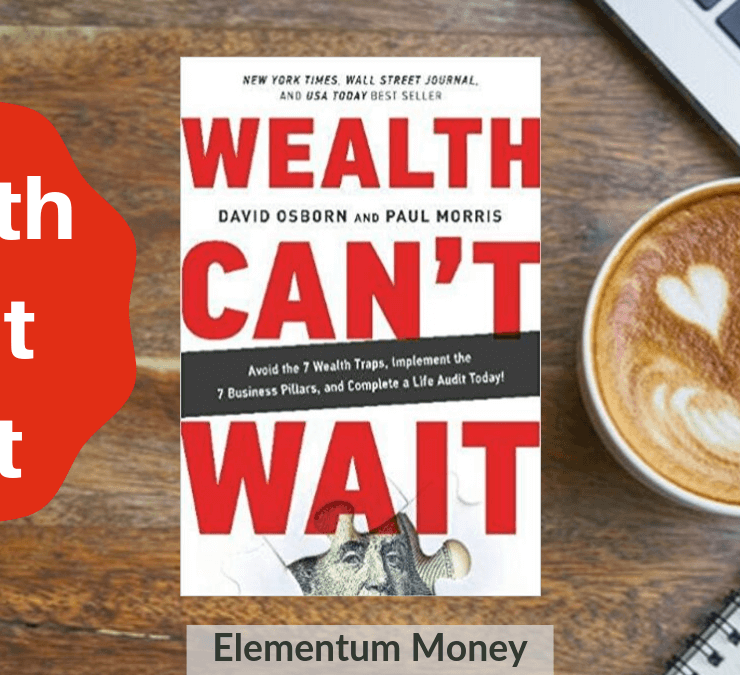
This was a book I picked up more for research. I have been dragging my feet on a Personal Finance book manuscript. I thought of checking this one out to see their approach, any overlaps and what I could do better. It’s one of the better basic personal finance books in the Indian ecosystem that I have come across.
Another out-and-out young adult book that I picked up from a book stall that I frequent. It is the second part of a series that the author has devised. While reading it, it took me some time to get accustomed to the world considering it is rife with vampires and all kinds of creative creatures. It was a fun read but not necessarily something I felt the need to finish the series for. If you like Young Adult fiction, then you will definitely enjoy it.
I have always wondered about what really happened at We Work and how eccentric could Adam Neumann really be. This book was an eye opener to a different degree. For me the way the story unravelled and especially Softbank’s role in the bloated valuation figures was astonishing. It is well-written and a brilliant rational insight into the world of tech startups. If you have any keenness for that space, this book is a must read.
As I read about the unfortunate demise of the author, I was reminiscing about some of her books that I have enjoyed. Then, reading one of the remembrances, I came across this which I thought sounded like fun and one I hadn’t laid my hand around so far. An easy breezy super short read. It was a nice, fun, romance and my go-to comfort genre that was great to end the year with.
This book is marked out as it is still in progress. I saw it on literally every business or non-fiction books-to-read list for the year. About half way through I thought the book is structured and extensive. Although, there seems to be a dearth of original thought as it’s more of an amalgamation of the best Personal Growth books and systems that the author has liked so far, while giving due credit to the originators. But then, I guess there is value for curators in this world of information overload as well.
The ancient Greeks had two different words for time: chronos and kairos. Chronos refers to sequential, quantitative time—the natural sequence and flow of equal parts of time. Kairos refers to a more fluctuating, qualitative time—the idea that certain moments are weightier than others, that not all time is the same. Kairos brings to life the notion that time does more than simply pass and flow, that it has substance, texture, and weight, but only if we are perceptive enough to recognize it (and capitalize on it).
So, that was my 2025 in terms of books. I find myself patting my back to see how much I was able to read despite the chock-a-block year that it’s been.
How was your year in books? What were some of the books you world recommend that you were lucky to experience in the year gone by? Let me know in the comments below.
For more book recommendations, check out my previous few Year in Books:

Leave a Reply